Présentation
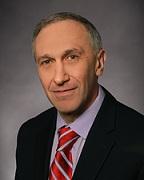
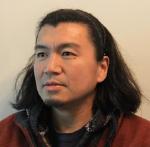
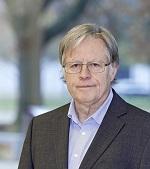
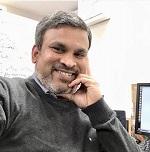
Igor Aronson is a Huck Chair Professor of Biomedical Engineering, Chemistry, and Mathematics at the Pennsylvania State University, USA. He is a fellow of American Physical Society since 2002. Prof. Aronson is a recipient of multiple international awards, the most recent is the Alexander-von-Humboldt Research Prize, 2019. His research focuses on collective behavior in active biological and synthetic systems, microrobotics, and non-equilibrium phenomena.
Projet de recherche
Fundamental principles regulating collective behaviors in living systems are crucial to physicists, biologists, and engineers. The consensus is that the emergent order results from aligning interaction between the neighbors and the misaligning effect of the external noise, e.g., due to thermal fluctuations or bacterial run-and-tumble motion. However, external noise is not the only and, more importantly, the foremost source of misalignment. Self-propelled particles moving on a disordered substrate - bacteria swimming in a porous environment or cancer cells penetrating a heterogeneous extracellular matrix - are affected by the imperfections, roughness, and random obstacles of the medium. Focusing on these two systems, we will investigate living active matter with long-range hydrodynamic interactions (bacteria) and short-range steric interactions (cancer cells, amoeba). We will use simplified discrete models of active matter and their continuum approximations subject to quench disorder. We will obtain insights into how the quenched disorder influences the onset of collective behavior and long-range coherence in bacterial and amoeboid systems. This research will stimulate new experimental techniques and predictive mathematical tools for motile microorganisms in a heterogeneous environment.
Fellow-in-Residence 2023-2024
Alina Asandei, invitée du laboratoire LAMBE
Presentation
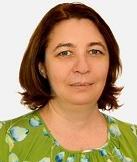
Alina Asandei, a researcher at the Interdisciplinary Research Institute of Alexandru Ioan Cuza University in Iași, possesses remarkable expertise in the field of molecular biophysics and nanopore systems. Her innovative research, combining electrophysiology techniques, single-molecule analysis of molecular complexes, and stochastic detection, reflects recognized scientific excellence. Moreover, her work, published in journals like ACS Applied Materials & Interfaces, Analytical Chemistry, Small Methods, Scientific Reports etc advances nanopore applications in sequencing and biosensing. Another focus of her research is studying the biophysical aspects of the interaction between antimicrobial peptides and biomimetic lipid systems, the selection of homing peptides and receptor-peptide interactions. She was formerly at the Alexandru Ioan Cuza University of Iași and is a member of the Romanian Society of Pure and Applied Biophysics and the Integrated Platform for Advanced Studies in Molecular Nanotechnologies (AMON). In 2012, she was a finalist in the L'Oréal-UNESCO national scholarship programme, 'For Women in Science'. In 2015, she was awarded the Women's Annual Science and Technology Prize, and in 2016, she received the Distinction for Young Researchers at the UAIC STAGES 2016 IUVENTAS SCIENTIAE (UAIC).
Projet de recherche
All living organisms store all of the information required to build their different cells and the entire organism in one or more DNA molecules. This high capacity for storing large amounts of information in a very small physical volumes has made this molecule very attractive for storing information in future molecular computers. Traditional DNA storage systems rely on the four natural nucleotides (A, T, C, G), but recent advancements have introduced an expanded molecular alphabet, incorporating synthetic nucleotides to increase data encoding capacity and efficiency. This expansion allows for higher information density per molecule, enabling more compact and robust data storage systems. A critical challenge in DNA storage is the accurate detection and sequencing of these synthetic nucleotides. Nanopore sequencing technology has shown great potential in this regard, offering real-time, high-throughput detection of both natural and synthetic bases. By leveraging the unique ionic current signatures of each nucleotide as it passes through a nanopore, this method can distinguish between an expanded set of molecules, facilitating the reliable retrieval of encoded data. The integration of an expanded molecular alphabet with nanopore detection represents a significant step forward in DNA storage, paving the way for scalable and efficient data storage solutions.
Raphël Cahen, invité du laboratoire CPJP
Présentation
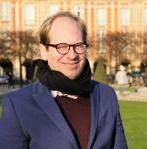
Raphaël Cahen is Senior Researcher at the Justus-Liebig-Universität in Giessen (Germany) as well as a Guest Professor at the Vrije Universiteit Brussel and the Ecole Pratique des Hautes Études (Paris). His research focuses on intellectual history and the history of international law and international relations. With Elisabetta Fiocchi-Malaspina and Frederik Dhondt, he coedited three special issues on the history of international law (Clio@Themis vol. 18, JHIL vol. 22/1, FHI Debate 2022). He has also co-edited four books: Etienne-Denis Pasquier (1767-1862): un parlementaire gallican sous la Restauration et la monarchie de Juillet ( 2024); Relations internationales et droit(s): acteurs, institutions et législations comparées/Law(s) and international relations: Institutions, Actors and Comparative Legislation (1815-1914) (2024); Les Professeurs allemands en Belgique. Circulation des savoirs juridiques et enseignement du droit (1817-1914); (2022) Joseph-Marie Portalis: diplomate, magistrat et législateur (2020). He is currently editeing with Leon Castellanoz-Jankiewicz and Hendrik Simon on a collective volume upon The Monroe Doctrine: History, Interpretations, Legacy (OUP 2026). He is also finalizing his second book on “legal advisers in foreign offices in a comparative perspective (1789-1940)” and starting a new project upon Debt commissions and the making of peace around 1815.
Projet de recherche Debt Commissions and the Making of Peace around 1815 (DCMP)
Generally considered a laboratory of political modernity, the “age of revolutions,” was also marked by an outburst of civil and interstate violence across the world. The postrevolutionary order grew out of profound conflicts over the political, societal, and material consequences of revolution and war and the return, or permanent resettlement, of hundreds of thousands of political migrants.
Despite the variety of contexts and issues, societies and states tended toward strikingly similar strategies of settling the material consequences of expropriation, exile, emancipation, and war of the revolutionary period, at the center of which stood large-scale financial reparation State-run compensation schemes gained new relevance in the postrevolutionary peace agreements, because they intersected with the settlement of material war consequences between the allied powers and France, including one of the highest war reparations ever paid, in terms of national income and repayment rate.
During the first Restoration, debt settlement commissions had been set up on the basis of the treaty of May 30, 1814. After the Hundred Days, with the Allied armies occupying part of France, and diplomats meeting regularly at the “Congress of Paris” (which does not bear this name in historiography), other debt liquidation commissions came into being. Arbitration commissions were also set up, with judicial commissioners in charge of settling disputes arising from the Napoleonic wars. It would appear that the multilingual Brussels jurist Adrien Nicolas Barbier was at the head of all these commissions.
The aim of this project is to study in detail, for the first time in historiography, all of these debt liquidation commissions. It is based on unpublished archives in Austria and France.
Demetrio da Silva Filho, invité du laboratoire LPPI
Présentation
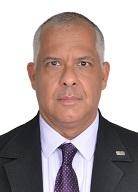
Professor Demétrio da Silva Filho completed his undergraduate and master’s studies at the Federal University of Pernambuco (Brazil), specializing in Condensed Matter Physics with a focus on the nonlinear properties of organic semiconducting polymers. He obtained his Ph.D. from the University of Campinas (Brazil), where he investigated the optical and charge-transport properties of organic compounds. During his doctoral studies, he conducted a research internship under the supervision of Prof. Jean-Luc Brédas at the University of Arizona (USA). In this period, he co-authored a significant article on the theoretical calculation of electronic couplings between organic molecules, published in the prestigious journal PNAS. He later returned to the United States for a postdoctoral fellowship at the Georgia Institute of Technology, also under the supervision of Prof. Jean-Luc Brédas. During this appointment, he published an influential review article in Chemical Reviews, which remains a key reference in the field of charge-transport mechanisms in organic materials. He has been a faculty member at the University of Brasília since 2010. His collaboration with CYU Université began in 2016, following his first visit to Prof. Gjergji Sini, and he has visited CYU annually since then. Professor Filho is the author of more than 100 scientific publications, which collectively have received over 16,000 citations. His current research interests focus on the use of artificial-intelligence algorithms to predict novel organic compounds for applications in optoelectronics.
Projet de recherche
In this project, we aim to use artificial intelligence (AI) to accelerate the discovery and optimization of new organic materials used in flexible and sustainable electronic devices, such as organic LEDs and sensors. Organic materials are attractive because their chemical structure can be finely tuned, but this flexibility also makes the search for the “best” material slow and complex. By combining advanced computer simulations with AI methods, we will develop smarter strategies to predict how molecules and polymers behave, allowing researchers to focus on the most promising candidates while reducing time, cost, and energy consumption in the design process.
The project focuses on two complementary challenges. First, we will improve computer simulations used to predict the properties of molecules by teaching AI to identify which molecular configurations matter most, making calculations both faster and more accurate. Second, we will apply AI to help design soft polymer materials for devices that mimic human skin, capable of sensing touch and pressure. By analyzing experimental signals and learning which material properties are most important, AI will guide the development of more sensitive and efficient “electronic skin.” Overall, this research shows how AI can work hand-in-hand with physics and chemistry to speed up scientific discovery and enable new technologies that benefit society.
Aurica Farcas, invitée du laboratoire LPPI
Présentation
Aurica Farcas received her BA and a master degree (Summa Cum Laude) from "Gh. Asachi” Technical University of Iasi, Romania, in organic chemistry. In 1998, she obtained a PhD in the field of Polymer Chemistry (with honors). Then, A. Farcas received a postdoctoral positions at Fraunhofer Institute for Angewandte Polymerforschung, Golm-Germany (2001), the Virginia Polytechnic Institute & State University, Blacksburg-USA (2002-2003) and Heinrich Heine University Düsseldorf, Germany (2004).
Since 2006, A. Farcas has received by contest invited professor/collaborator at the University d’Evry Val d'Essonne, Evry-France; School of Engineering and Science, Jacobs University, Bremen-Germany; CY Cergy Paris Université and the London Centre for Nanotechnology-UK.
For her scientific work, A. Farcas has received multiple awards and recognitions, including the C. D. Nenitzescu Prize of the Romanian Academy, an Attendance Certificate in a Technology Transfer Training from Wirtschaftsforderung und Technologietransfer Schleswig Holstein Gmbh (WTSH) Kiel, Germany and the Scientist Research Award from Fraunhofer Institute for Angewandte Polymerforschung Golm, Germany.
She is a board member of Frontiers Chemistry-Supramolecular Chemistry. From the year 2007, she is International/National Expert Evaluator as well scientific peer reviewer on the theme at international journals with high impact factor.
Main-author on over 80 research articles in ISI journals, 2 books on the topic of Conjugated Polyrotaxanes, 6 book chapters, more than 40 nationally and internationally research grants, 21 laboratory technologies with 3 of them with industrial applications, 23 invited lectures and 3 patents.
Projet de recherche
The proposal «Semiconducting interlocked molecular architectures toward organic electronics (SIMAB) is aiming to develop new pseudopolyrotaxanes (PPs) and polyrotaxanes (PRs) supramolecuar architectures based on permodified cyclodextrin derivatives and cucurbit[n]urils (host molecules) with conjugated monomers/oligomers or polymers (guest molecules). The synthesis of such supramolecular structures is the most suitable and, sometimes, the only possible method for the synthesis of functional complex materials. The key issues proposed here illustrate our perspective on the future prospects and represent a key bottom-up strategy to build and process relatively soft functional materials.
During the stay at LPPI, new supramolecular structures will be synthesized and characterized in terms of their physico-chemical, optical and electronic properties, in order to assess their contribution to the field of molecular electronics.
At LAMBE these architectures will be evaluated for rapid, real-time exploration of their ability to form host-guest complexes with different types of molecules, such as amino acids or polypeptide, for low-cost protein sequencing applications. In addition, these supramolecular assemblies could be used as single-molecule molecular sensors or as new classes of biomimetic ion channels useful for broad applications in the field of nanobiotechnology.
It is believed that further research into supramolecular chemistry domain will continue to furnish excellent achievements in succession to the rapid progress, which could greatly benefit the field of organic electronic materials and push the frontiers of knowledge further.
Fellows-In-Residence 2024-2025
Paul Kapp, invité du laboratoire HERITAGES
Présentation
Paul Hardin Kapp is Associate Professor of Architecture in the School of Architecture at the University of Notre Dame, specializing in historic preservation and historic building conservation. Prior to his tenure at Notre Dame, he was Associate Professor of Architecture and Associate Director of the Collaborative for Cultural Heritage Management at the University of Illinois at Urbana-Champaign. He is the past chair of the National Council for Preservation Education. He is a 2005 Charles E. Peterson Fellow; a 2014 and a 2023 Fulbright Scholar; a 2017 James Marston Fitch Midcareer Fellow; a 2020 Franklin Fellow, U.S. Department of State; and a 2024 Guggenheim Fellow. His research focuses on how the built patrimony is conserved and restored. During his tenure at CY Advanced Studies, he will examine how Victor Hugo championed the conservation of important historic monuments in France. He has published three books; his latest book, “Heritage and Hoop Skirts: How Natchez Created the Old South,” (University Press of Mississippi) won the 2023 J.B. Jackson Book Prize; the 2023 University of Mary Washington Center for Historic Preservation Book Prize; the 2023 Fred B. Kniffen Award from the International Society for Landscape, Place, & Material Culture; and the 2023 Michael V.R. Thomason Book Award from the Gulf South Historical Association.
Projet de recherche
Victor Hugo is celebrated as one of France’s greatest literary figures and has been recognized as someone who defined French identity in the nineteenth century. Early in his career as a writer, Hugo advocated for the conservation of France’s built patrimony, publishing numerous letters and editorials expressing his disdain for many “barbaric acts” on historic sites: the widespread pilfering of iconic monuments by English antiquarians and how the members of the clergy profited from it; the short-sighted Bourgeois, who he complained placed profit over culture; and the post-revolutionary sentiment that France’s built patrimony was an expression of the Ancien Régime. I argue that Hugo was one of the earliest advocates for historic building conservation; he influenced how the French reconsidered their cultural heritage after the French Revolution and the Napoleonic Wars and this resulted in the creation of the Commission Nationale des Monuments in 1837, the first ever governmental-led administration of built patrimony.
As a CY Advanced Studies Fellow-in-Residence, I will explore how Hugo’s advocacy and his aesthetic doctrine, that extolled ancient monuments and influenced French conservation, and determine if it is still relevant today. Through field visits, interviews with scholars and technicians, and research in Parisian archives, I will evaluate how popular sentiment, conveyed in literature, influenced French science-based conservation and if it continues to do so today. As a leading conservation scholar in the U.S., I believe that soon after the Notre Dame restoration and nearly one hundred and forty years after Hugo’s death, there should be an evaluation of how conservation of the built heritage is being regarded by people who experience the renewed monument.
Fellows-in-Residence 2024-2025
poupeh missaghi, Fulbright invitée du laboratoire HERITAGES
Présentation
poupeh missaghi پوپه میثاقی is a writer, translator, and editor. Her debut book trans(re)lating house one was published in 2020, and her second book, Sound Museum, in 2024 (both from Coffee House Press).
An assistant professor of literary arts and studies at the University of Denver and a faculty mentor at Pacific Northwest College of Art MFA, poupeh missaghi specializes in creative writing, innovative and hybrid literature, documentary poetics and witness narratives, literature of dictatorial and police states, translation studies, écriture féminine and the intersection of writing and psychoanalysis, among other subjects.
Her most recent translations are In the Streets of Tehran, a book of witness narrative by Nila about the Woman Life Freedom uprising in Iran, published by Bonnier Books, UK, in October 2023, and Boys of Love, a novel by Ghazi Rabihavi published in September 2024 by University of Wisconsin Press.
Projet de recherche
This project is part of the new research axis of the Héritages Laboratory (Axis 4: Exploring the epistemology of research-creation and research writing), led by Yannicke Chupin and Nicolas Vernot. Within the framework of this residency, I will carry out the research necessary to write my third novel, entitled Once Upon a Time.
Once Upon a Time is a family gathering made possible through language in the land of literature. It is a hybrid work that delves into stories from three generations of my family, on both the maternal and paternal sides, spanning across different historical eras, pre and post Islamic Revolution of 1979, and various geographical regions, including Iran, France, Switzerland, and the US among others.
In vignettes that blur the lines between personal narrative and historical academic research, the creative-critical manuscript adopts a transnational multilingual approach to investigate the complex heritages, both joyful and sorrowful, that our ancestors gift us.
France is at the center of some of the stories of my maternal lineage included in this project. As such, it is important that I travel back to Paris for an extended period of time to be able to carry multiple layers of research to help me in investigating, imagining, and writing parts of this family history.
Liang Peng, invité de l'ESSEC
Présentation
Dr. Liang Peng has been the Thomas P Bowles chair professor of actuarial science in the Maurice R. Greenberg School of Risk Science in
the Robinson College of Business at Georgia State University since August 2014. He was a faculty in the School of Mathematics at Georgia Institute of Technology from January 2001 to August 2014. He was promoted to associate professor with tenure in 2006 and full professor in 2009. Dr. Peng has been the Ph.D. program coordinator from January 2018 to December 2020. Dr. Peng has published one book on heavy-tailed data analysis and more than 170 papers in various statistics, econometrics, and actuarial science journals. His research interests include Extreme Value Analysis, Econometrics, Risk Analytics, Actuarial Science, and Mutual Fund Management.
NSF, NIH, NSA, the Society of Actuaries, and the Simons Foundation have funded his research. He received his Ph.D. in 1998 from
Erasmus University Rotterdam in the Netherlands and became an elected fellow of the Institute of Mathematical Statistics in 2009 and the American Statistical Association in 2012. His editorial board services include an associate editor for the Journal of American Statistical Association (2017--2023), ASTIN Bulletin (2021 --2026), Statistica Sinica (2011--2020), Annals of Statistics (2007--2009), Extremes (2007 --2014), Scandinavian Journal of Statistics (2014--2020), Statistics and Probability Letters (2012--2013), Statistics and Its Interface (2010--2013), and Journal of Korean Statistical Society (2008--2013).
Projet de recherche
Vulnerabilities in financial markets, economics, the insurance industry, and the environment have become more and more severe. Rare events such as market crashes, earthquakes, hurricanes, and pandemics often lead to considerable losses to society. For monitoring natural disasters and forecasting epidemics, financial institutions and governmental organizations must invest in risk intelligence to clearly define, understand, measure, quantify, and manage their tolerance for and risk exposure. By developing and using sound analytics to measure, quantify, and forecast risk, business leaders and regulators can rely less on experience and more on systematic methodologies to manage risk well, evaluate its impact accurately, and make sound policy decisions.
This project aims to develop an analytical toolbox for applied researchers, regulators, and practitioners to conduct risk assessment and management in economics, finance, insurance, and environment.
Building a sound risk analytical toolbox is a long-term project and highly interdisciplinary. It involves developing new methodologies for dealing with emerging questions in economics, finance, insurance, and the environment. It also requires implementing widely employed techniques in risk analysis, maintaining the developed free statistical R package, and expanding the toolbox timely. This ambitious project requires not only solid knowledge of mathematical models, inference, uncertainty quantification, and computation but also needs deep understanding of application domains for solving questions in economics, finance, insurance, and the environment.
This long-term and ambitious research project is to build a toolbox for risk analytics by developing new methodologies and implementing widely used techniques into a free statistical R package.
The first step is to develop some novel methods for analyzing risk, which will lead to top journal publications in Statistics, Econometrics, Actuarial Science, and Risk Management. The second step is to develop a free statistical R package by implementing the new methods and some widely used ones in risk analysis. The third step is to maintain and expand this toolbox to make it more and more sound and practical. Some specific research objectives include modeling and forecasting extreme risk, backtest in monitoring risk, and statistical inference for optimal reinsurance.
Fellows-in-Residence 2024-2025
Pedro Ribeiro, invité du laboratoire LPTM
Présentation
Pedro Ribeiro is an Associate Professor of Physics at Instituto Superior Técnico (IST), University of Lisbon, and a researcher at the Center of Physics and Engineering of Advanced Materials (CeFEMA), associated with the Laboratory of Physics for Materials and Emerging Technologies (LaPMET). He is also an associate member of the Beijing Computational Science Research Center (CSRC). His research lies at the intersection of condensed matter physics and quantum information, with a focus on many-body strong-correlation effects and non-equilibrium processes in open quantum systems.
He coordinates the q.m@t team at IST and is a founding member and one of the coordinators of the Quantum Matter in Portugal (QM@PT) research network. He serves as the Coordinator of the QuantERA project DQuant (“Driven Quantum Matter”) and as the Chair of the COST Action QOpen (“Many-Body Open Quantum Systems”).
Prior to his current appointment, he held an Investigator FCT Starting Grant (2014–2019) and was an Invited Professor at the Physics Department of IST (2014–2019). Earlier in his career, he was a research fellow at the Russian Quantum Center (RQC) in Moscow (2014–2015) and held postdoctoral positions at the Condensed Matter Theory Group of MIT, USA (2009–2010), the Centro de Física das Interacções Fundamentais (CFIF) at IST, Lisbon (2010–2011), and the Max Planck Institute for the Physics of Complex Systems (MPIPKS), Dresden (2011–2013).
He received his PhD in 2008 from Université Pierre et Marie Curie (Paris VI) and his Master’s degree in Physics Engineering from IST (2004). His research aims to advance the understanding of open quantum systems far from equilibrium, with potential applications in the design of novel materials and in the development of quantum and electronic technologies.
Projet de recherche
Quantum systems made of many interacting particles can behave in surprising ways when they are pushed out of their normal, balanced state. This project explores how such systems can sustain new kinds of “quantum order” when energy or particles constantly flow through them — for example, when an electric current is maintained. The goal is to understand how quantum effects such as coherence and entanglement can persist in these situations, and how observing or measuring the system can change its behavior.
In particular, the research will study whether continuous observation can cause abrupt changes between different dynamic states, much like phase transitions between solid, liquid, and gas in ordinary matter. To do this, new theoretical tools will be developed to describe and classify these non-equilibrium quantum phases.
By connecting ideas from quantum physics, information theory, and statistical mechanics, the project aims to reveal how quantum coherence can survive — or break down — in systems that are both driven and monitored. These insights could help guide the development of future quantum technologies and experiments, where controlling quantum behavior outside equilibrium is essential.
Arnab Saha, invité du laboratoire LPTM
Présentation
Dr. Arnab Saha is a professor of Physics in the Department of Physics, University of Calcutta, India (2020 onwards). Formerly he was a professor in the Department of Physics,
University of Pune, India (2016-2020).
Prior to that, he has worked in Heinrich Heine University, Duesseldorf, Germany and Max Planck Institute for the Physics of Complex System (MPIPKS), Dresden, Germany as a post-doctoral researcher (2011-2016).
His research focuses on Active and Soft Condensed Matter System.
Projet de recherche
The primary area of the research that we intend to conduct within the frame of FIR program is – collective dynamics of active (self-propelling) particles in the presence of
non-reciprocal interactions. When the interactions are non-reciprocal, actions doe not have equal and opposite reactions. Non-reciprocal interactions are ubiquitous in active i.e. living systems. For example, the social interactions among the entities living in a group are often non-reciprocal. In microscopic world the interactions among micro-organisms can be non-reciprocal. Moreover, the molecular interactions among the sequential enzymes involved in metabolic processes can also be effectively non-reciprocal. In the presence of non-reciprocal interactions, non-trivial patterns and instabilities can emerge spontaneously in a collection of living entities. Here we will explore them numerically as well as analytically. Moreover, one may note that while interacting with each other and/or with the surrounding, the living entities transfer information locally. In our research program under FIR, we will also quantify the flow of information among the interacting living agents of a collective.
Fellows-in-Residence 2024-2025
Shin Dongsoo, invité de l'ESSEC
Présentation
SHIN Professor Dongsoo Shin is a professor of economics at Santa Clara University in California, USA. His research covers several areas in microeconomics, including agency theory, applied game theory, organizational economics, public economics, and industrial organization. Specific research topics include delegation and authority, dynamic incentives, optimal task design, organizational flexibility, price discrimination, public good provision, and price signaling, among others.
Professor Shin’s articles have appeared in leading academic journals in microeconomics, organizational economics and industrial organization, such as RAND Journal of Economics, Journal of Industrial Economics, International Journal of Industrial Organization, and Journal of Economics and Management Strategy.
In the past, Professor Shin has held visiting positions at leading academic institutes in Europe and South America, such as University of Mannheim, Humboldt University of Berlin, ESSEC Business School and THEMA, and FGV. His research has been presented at numerous academic seminars, workshops, and conferences.
At Santa Clara Univetsity, Professor Shin teaches courses in Microeconomics, Game Theory, and Mathematical Economics.
Projet de recherche
The research identifies the optimal structure of an organization with a top management and multiple subunits. Each subunit has private information about its task environment. Under centralized structure, the top management is the only party that aggregates all subunits’ information – all subunits report their information directly to the top management. Under delegated structure, all subunits information is aggregated through the “chain of command” – one subunit reports its information to another subunit which in turn reports to another subunit, and so on. We show that under centralized structure, although the top management has a tighter control over the subunits, the organization may not be able to fully utilize its aggregate information. Under delegated structure, on the other hand, the organization can fully utilize its aggregate information, although the top management relinquishes some control to the subunits at upper levels of hierarchy. According to our analyses, centralized structure is optimal if the subunits’ task environment is more likely to be good (low-cost environment). Delegated structure, by contrast is optimal if the subunits’ task environment is more likely to be bad (high-cost environment).
Fellows-in-Residence 2024-2025
Mathias Winterhalter, invité du laboratoire LAMBE
Présentation
Mathias Winterhalter is Senior Professor of Biophysics at the Constructor University Bremen and Guest Scientist at the Center for Hybrid and Nanomaterials at the University of Hamburg, Germany. Previously he was Academic leader of Translocation a subproject within the Innovative Medicine Initiative Platform New Drugs for Bad Bugs (ND4BB). Translocation was a private-public partnership located at 28 sites worldwide funded by the European Union and the European Federation of Pharmaceutical Industry and Associates. This multinational and multidisciplinary consortium focused on how antibiotics enter Gram-negative bacteria and to determine limiting factors to overcome the complex barrier. Mathias Winterhalter coauthored >250 publication in the area of molecular transport in confined systems.
Currently his research focuses on how to detect bioactive molecules using solid state hybrid nanopores in collaboration with the LAMBE institute at the University Cergy-Pontoise. The goal is to combine the possibility in solid state physics to produce ultrathin material with fast electric read-out together with the possibility to engineer biological channel for biomolecule recognition.
Projet de recherche
Biological membranes are wonderful building blocks protecting the inside of a cell from the outside. The controlled exchange of small molecules is often regulated by selective membrane channels. To understand their function Patch-Clamp technique or the reconstitution of channels into artificial planar lipid bilayer has been used. About 30 years ago David Deamer in Santa Cruz suggested to apply this approach to sequence DNA. From this first suggestion a new field emerged called nanopore sensing with currently about 500-1,000 teams world-wide.
The LAMBE laboratory at CY Cergy Paris University and my team use ion current across confined systems (nanopore sensing) to obtain information on the interaction of membrane channels with solutes. During the following months we try in a joint effort.
On our side, we work on functional characterization of the outer membrane channel of Gram-negative bacteria with a particular focus on quantifying the uptake of antibiotics. For this, we produce or engineer bacterial outer membrane proteins and reconstitute them in planar lipid membranes. For example, we introduced a reversibly partial channel blocker to enhance the signal, allowing only ions to permeate. In contrast, larger molecules get trapped, leading to observable blocking of the ion current.
We also observed that zwitterionic compounds permeate at different speeds depending on the applied external voltage. Partially, this is due to interaction with a strong channel dipole located in the constriction zone but also caused by the so-called electroosmotic flow (EOF). The latter originates from an asymmetric flow caused by ion selectivity. Surprisingly, this flow is strong; thus, we may use the EOF to control permeating molecules. In collaboration with Yi-Tao Long (Nanjing University), we recently
applied this knowledge to distinguish D-and L amino acids in peptides.
Within this project, we combine the expertise of both teams to get a novel sensing tool. First, we will use the technique of dielectric breakdown available at Cergy to build a hybrid structure in SiN solid support (a first series has been done recently). I will bring the previously made series of modified porins, which we like to insert in a controlled manner in solid supports. We will further contribute our engineered membrane channel with enhanced electroosmotic flow. We expect the EOF will allow us to pull small peptides inside the channel despite the charge pattern and electrophoresis. In a combined action, we want to enhance the sensitivity of channel recording. Using solid-state nanopores will allow the use of higher concentrations of denaturing agents or more extreme pH in solution.
Fellows-in-Residence 2024-2025
Sameera W.M.C, invité du laboratoire LERMA
Présentation
Dr. W. M. C. Sameera is a senior lecturer at the University of Colombo. He obtained his PhD in Computational Chemistry from the University
of Glasgow in 2009. Following his doctorate, he held postdoctoral positions at the University of Oxford in 2010 and at the Institut Català d'Investigació Química in 2011. In 2013, he was awarded a Marie Curie ITN Fellowship at the University of Gothenburg, followed by a Japan Society for the Promotion of Science (JSPS) Research Fellowship at the Fukui Institute for Fundamental Chemistry in 2014. He then served as an assistant professor at Hokkaido University in 2016 before joining the University of Colombo in 2022. Currently, he is a visiting researcher at Hokkaido University and a visiting associate professor at Kyoto University. His research interests focus on developing and applying quantum mechanics/molecular mechanics (QM/MM) methods and unbiased reaction path search techniques. He published over 80 research papers.
Projet de recherche
The fundamental building blocks of molecules that lead to the chemical evolution in the Universe can be formed in the interstellar medium (ISM). The vast majority of research has been focused on radical-driven reactivity on cosmic ice dust grains at very low temperatures (e.g., 10 K) to explain the formation of complex organic molecules (COMs). However, my recent ab-initio computations showed the effectiveness of the OH anion diffusion through the proton hole transfer (PHT) mechanism. Thus, driving the OH anion into bulk ice increases the possibility of reacting with the molecules trapped in ice and opens the OH anion-driven reactivity to synthesize COMs in interstellar ice.
In the FIR program, I aim to develop a fundamental understanding of the chemical principles behind the anion-driven reactivity: A + OH (anion) + H2O → H-A-OH + OH (anion) in the ISM, where A is a molecule trapped in BULK ice (e.g., CO2, CO, H2CO, ..). In this generic reaction scheme, the OH anion acts as a catalyst to synthesize the COMs in ice. The OH anion-driven chemistry in the ISM has not been discovered yet, and this project proposal is the starting point. The state-of-the-art ab-initio computations, employing the multi-component artificial force-induced reaction (MC-AFIR) method, will be used to determine known, unknown, and unexpected anion-driven reaction mechanisms systematically. In parallel, experimental studies on anion-driven reactivity will be performed in collaboration with Prof. François Dulieu (host, LERMA, CY Cergy Paris Université). In the presence of both theoretical and experimental evidence, anion-driven reactivity in the ISM will be established.



in organic chemistry. In 1998, she obtained a PhD in the field of Polymer Chemistry (with honors). Then, A. Farcas received a postdoctoral positions at Fraunhofer Institute for Angewandte Polymerforschung, Golm-Germany (2001), the Virginia Polytechnic Institute & State University, Blacksburg-USA (2002-2003) and Heinrich Heine University Düsseldorf, Germany (2004).
Since 2006, A. Farcas has received by contest invited professor/collaborator at the University d’Evry Val d'Essonne, Evry-France; School of Engineering and Science, Jacobs University, Bremen-Germany; CY Cergy Paris Université and the London Centre for Nanotechnology-UK.For her scientific work, A. Farcas has received multiple awards and recognitions, including the C. D. Nenitzescu Prize of the Romanian Academy, an Attendance Certificate in a Technology Transfer Training from Wirtschaftsforderung und Technologietransfer Schleswig Holstein Gmbh (WTSH) Kiel, Germany and the Scientist Research Award from Fraunhofer Institute for Angewandte Polymerforschung Golm, Germany.She is a board member of Frontiers Chemistry-Supramolecular Chemistry. From the year 2007, she is International/National Expert Evaluator as well scientific peer reviewer on the theme at international journals with high impact factor.Main-author on over 80 research articles in ISI journals, 2 books on the topic of Conjugated Polyrotaxanes, 6 book chapters, more than 40 nationally and internationally research grants, 21 laboratory technologies with 3 of them with industrial applications, 23 invited lectures and 3 patents.preservation and historic building conservation. Prior to his tenure at Notre Dame, he was Associate Professor of Architecture and Associate Director of the Collaborative for Cultural Heritage Management at the University of Illinois at Urbana-Champaign. He is the past chair of the National Council for Preservation Education. He is a 2005 Charles E. Peterson Fellow; a 2014 and a 2023 Fulbright Scholar; a 2017 James Marston Fitch Midcareer Fellow; a 2020 Franklin Fellow, U.S. Department of State; and a 2024 Guggenheim Fellow. His research focuses on how the built patrimony is conserved and restored. During his tenure at CY Advanced Studies, he will examine how Victor Hugo championed the conservation of important historic monuments in France. He has published three books; his latest book, “Heritage and Hoop Skirts: How Natchez Created the Old South,” (University Press of Mississippi) won the 2023 J.B. Jackson Book Prize; the 2023 University of Mary Washington Center for Historic Preservation Book Prize; the 2023 Fred B. Kniffen Award from the International Society for Landscape, Place, & Material Culture; and the 2023 Michael V.R. Thomason Book Award from the Gulf South Historical Association.